Harper Friedrich · 30 September 2026
Tracing Component Connections That Shape Visibility Patterns in Specialized Analytics Platforms
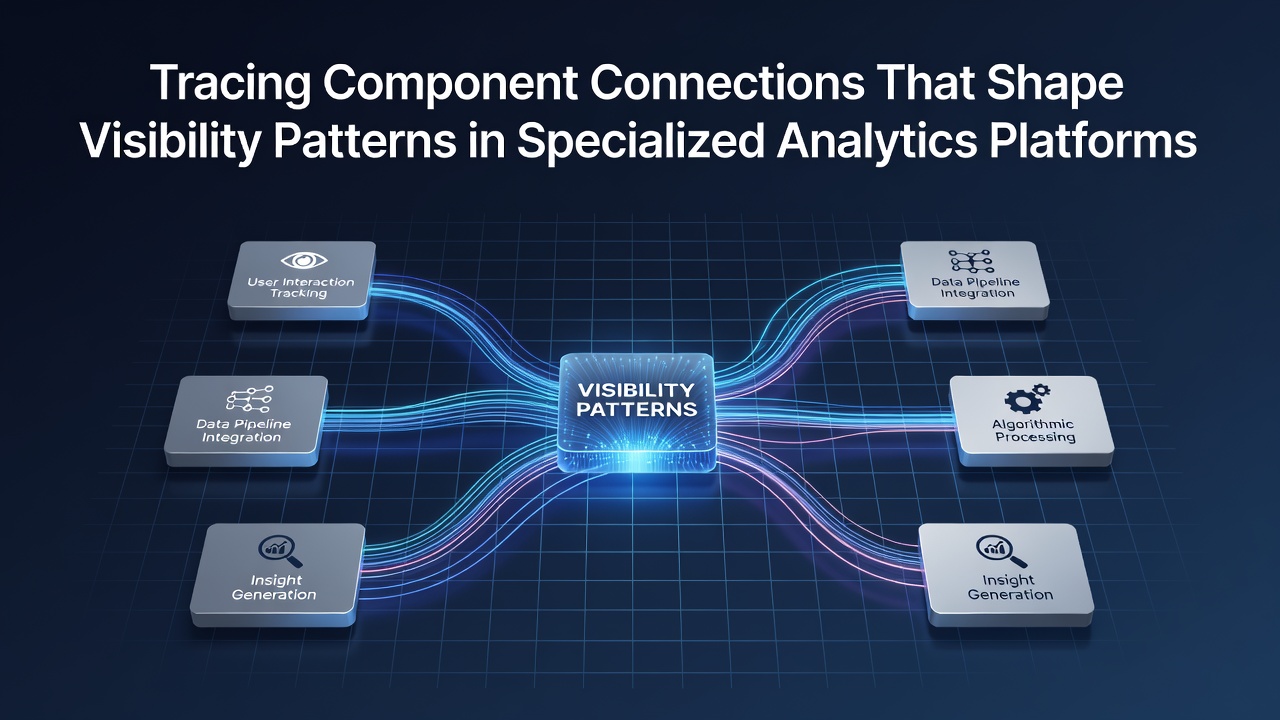
Specialized analytics platforms rely on intricate networks of components that process raw inputs into structured outputs, and the connections between these elements determine which visibility patterns surface during analysis. Data ingestion modules link directly to processing engines while storage layers feed into visualization tools, creating pathways that highlight certain metrics over others depending on how signals route through the system. Observers note that when these connections operate in sequence, visibility expands across multiple dimensions such as user interaction timelines or performance benchmarks, yet isolated components can restrict the range of detectable patterns.
Mapping Data Flows Across Platform Modules
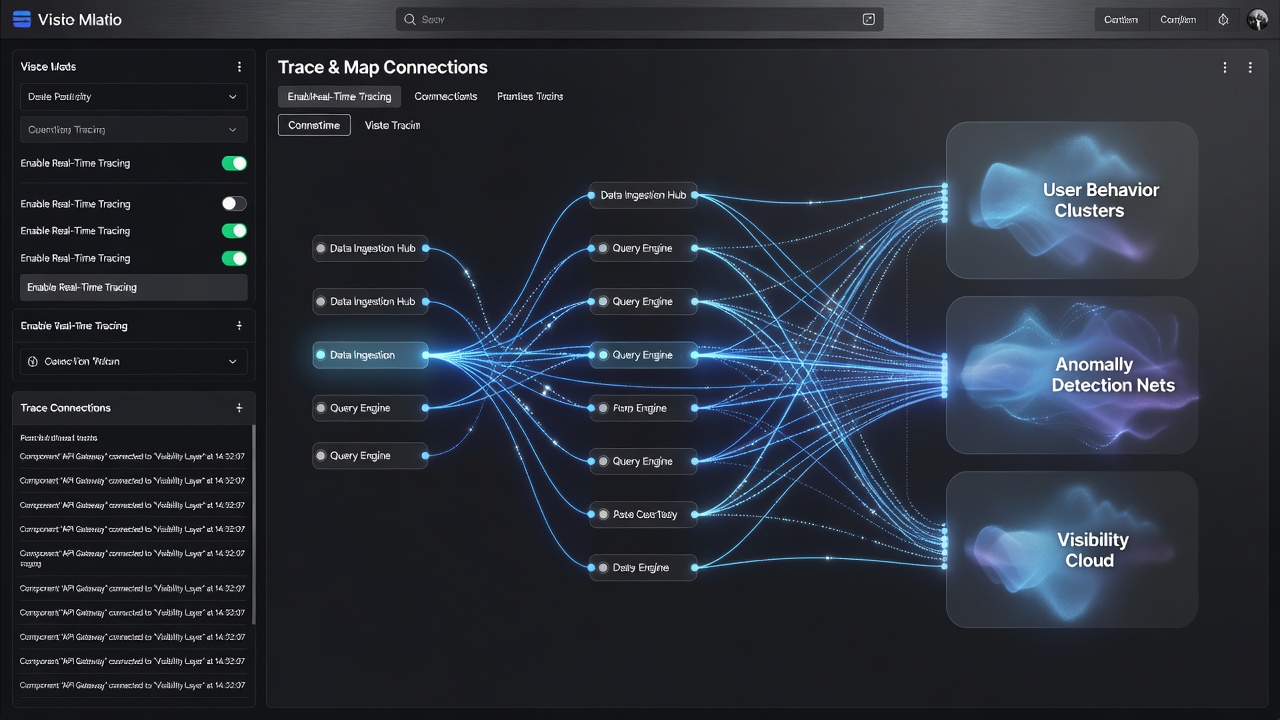
Component connections begin at the entry points where external datasets enter the platform, and from there information travels through transformation stages that apply filters and aggregations before reaching analytical cores. Researchers have documented how these pathways influence pattern detection, for instance when a correlation engine receives cleaned data from an upstream ingestion tool it reveals trends that remain hidden in fragmented setups. Platforms often integrate API endpoints with internal databases, allowing real-time updates to propagate across layers and shape what becomes visible in dashboards or reports. According to findings from Statistics Canada on digital data integration practices, structured linkages between modules improve the consistency of visibility outputs across large-scale deployments.
Engineers trace these flows by examining metadata logs that record each handoff between components, revealing bottlenecks where visibility patterns lose resolution or gain unexpected emphasis. In one documented instance involving a research analytics system, a misaligned connection between the query optimizer and the rendering module caused certain temporal patterns to appear delayed while spatial metrics displayed with greater clarity. Such observations underscore the importance of alignment in component architecture because even minor shifts in connection logic alter the prominence of specific data features.
Visibility Patterns Emerging from Interconnected Systems
Visibility patterns take form when multiple components exchange processed information in coordinated sequences, enabling analysts to observe clusters of activity that span different data categories. These patterns might include recurring sequences in event logs or anomalies in performance indicators that only appear once cross-module correlations activate. Data shows that platforms employing tightly coupled components tend to surface composite patterns more readily than those relying on loosely connected elements, because seamless transfers preserve contextual details that would otherwise dissipate.
Case studies from academic institutions illustrate this dynamic in practice. A team at the University of Melbourne examined specialized platforms used in environmental monitoring and found that connections between sensor data parsers and trend analysis tools produced clearer visibility into seasonal fluctuations compared to setups where those modules operated independently. The study highlighted how connection strength directly affects the granularity of patterns that reach end users, with stronger linkages supporting finer distinctions in the displayed metrics. In September 2026 industry forums plan to review updates to connection protocols that could further refine these visibility capabilities across specialized platforms.
Technical Mechanisms Driving Pattern Formation
Underlying technical mechanisms include dependency graphs that define how one component activates another, along with data serialization formats that maintain integrity during transfers. When these mechanisms function without interruption, visibility patterns emerge with greater reliability because contextual metadata travels intact through the pipeline. Experts have observed that platforms incorporating feedback loops between visualization and processing stages allow iterative refinements, which in turn sharpen the focus on subtle patterns that initial passes might overlook.
Configuration settings at the connection level also play a role, as parameters controlling data volume or sampling rates determine the density of information available for pattern recognition. Organizations that adjust these settings based on empirical testing report improved detection rates for low-frequency events that contribute to overall visibility. Reports from the Australian Bureau of Statistics on data system interoperability emphasize that standardized connection protocols reduce discrepancies in pattern visibility across different platform configurations.
Practical Implications for Platform Design
Design choices around component connections carry direct consequences for the types of visibility patterns that specialized analytics platforms can reliably produce. Teams responsible for architecture often prioritize modular interfaces that support flexible routing, enabling adjustments when new data sources require integration without disrupting existing visibility outputs. This approach allows platforms to adapt while preserving the core pathways responsible for pattern emergence.
Maintenance practices further influence outcomes because regular audits of connection points identify drift or degradation that could obscure important patterns. In environments where platforms handle high-velocity data streams, such audits become essential to sustain consistent visibility across operational periods. Those who have implemented systematic tracing methods note measurable improvements in the completeness of patterns available for review.
Conclusion
Component connections within specialized analytics platforms establish the foundation for visibility patterns by governing how data moves and transforms across modules. Accurate tracing of these connections reveals the mechanisms that determine which patterns become accessible, providing a factual basis for understanding platform behavior. Continued examination of linkage structures supports ongoing refinements in how visibility emerges from complex analytical environments.