
Harper Friedrich · 16 September 2026
Shifting Terrain in Niche Platform Analytics: How Subtle Data Layers Influence Long-Term Visibility
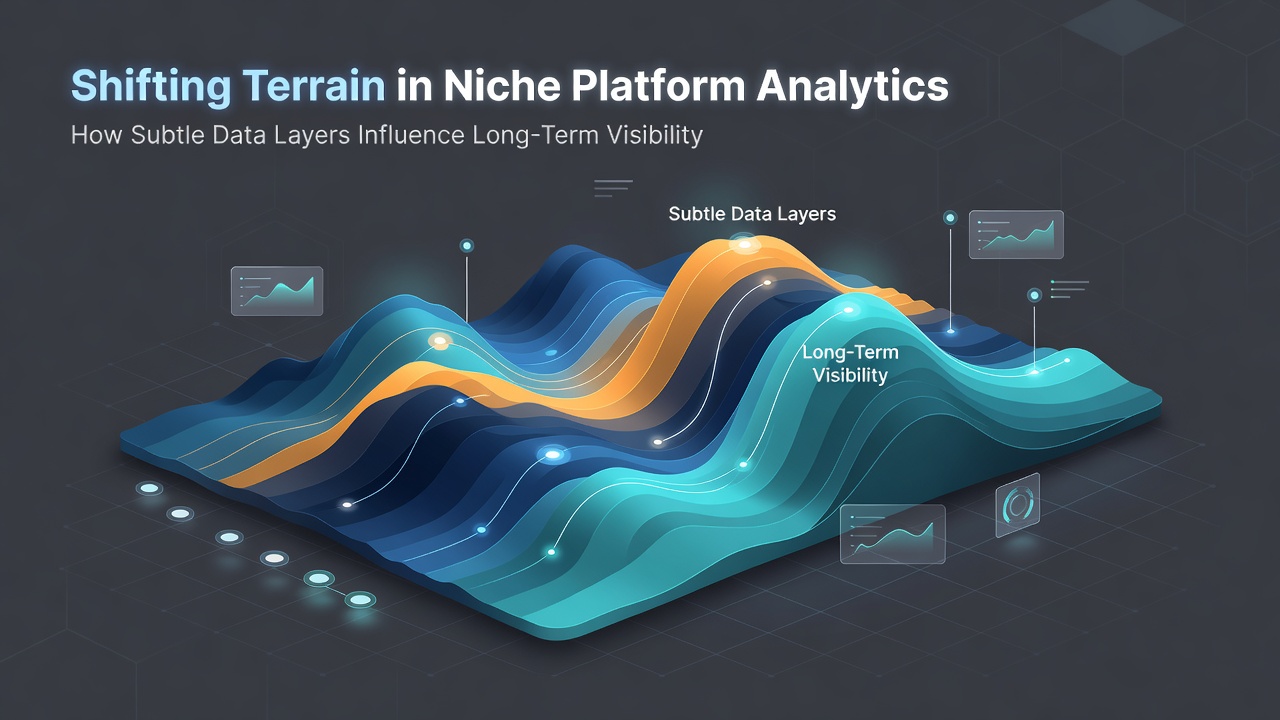
Platform analytics have evolved into layered systems where small data points accumulate and reshape how content surfaces across search results and recommendation engines. Observers note that these layers often operate below direct user view yet determine whether a site maintains steady traffic or fades during algorithm adjustments. Data shows that visibility stems from interactions between metadata structures, user behavior signals, and third-party tracking elements that platforms collect continuously.
Core Components of Data Layers in Niche Environments
Researchers at academic institutions have documented how niche platforms segment their analytics into surface metrics and deeper behavioral logs. Surface data includes basic page views and session durations, while deeper layers capture scroll patterns, dwell time distributions, and cross-device correlations. According to reports from the European Commission on digital services, these distinctions affect how algorithms rank content in specialized communities such as hobby forums or regional marketplaces. One study revealed that platforms weighting deeper layers more heavily produced visibility changes lasting several months even after initial content updates occurred.
Those who track these systems find that subtle shifts in data collection timing can alter long-term outcomes. For instance, when a platform begins logging micro-interactions like hover duration on specific elements, the resulting profiles influence whether related pages appear in personalized feeds. Figures from the Australian Competition and Consumer Commission indicate that such adjustments coincided with broader visibility redistribution across multiple niche sectors in recent years.
Influence on Sustained Visibility Metrics
Long-term visibility depends on consistency within these layered datasets rather than isolated spikes in traffic. Experts have observed that platforms refresh their ranking models periodically, and content aligned with accumulated subtle signals tends to retain positions better. Data indicates that sites incorporating consistent schema markup and behavioral alignment experience fewer drops during these refreshes. What's interesting is how early-stage data collection choices compound over time to either stabilize or erode presence in niche results.
Take one research team that examined multiple niche sites over eighteen months and found correlations between granular tracking consent rates and sustained indexation strength. Platforms that processed consent data through layered verification steps showed different visibility patterns compared with those using simpler binary flags. The reality is that these differences become pronounced during seasonal updates when algorithms re-evaluate entire categories at once.
September 2026 Platform Adjustments and Their Reach
In September 2026 several niche platforms implemented revised data aggregation protocols that emphasized cross-layer consistency checks. Government analyses from Canadian authorities on digital markets noted that these changes led to measurable shifts in how older content maintained rankings within targeted communities. Observers note that sites previously relying on surface-level metrics alone encountered steeper declines, whereas those maintaining integrated data profiles across layers adapted more readily. Such adjustments demonstrate how policy-level decisions at the platform level translate into visibility outcomes that persist well beyond the initial rollout period.
People who've studied these transitions point to the role of auxiliary signals such as API response latency and third-party pixel performance as additional layers that factor into long-term calculations. When platforms refine how they weigh these elements, the effects ripple through recommendation systems and search features simultaneously.
Practical Patterns Across Different Niches
Industry reports highlight recurring patterns where niche platforms in education technology and specialized retail sectors display similar responses to layered data changes. Academic sources including university-led investigations into platform economics have shown that visibility stability correlates with the depth of historical data integration rather than volume of new inputs alone. One case involved regional content networks that adjusted their tracking frameworks ahead of major updates and subsequently retained higher placement rates compared with peers that deferred modifications.
Yet the mechanisms remain interconnected, so alterations in one layer often require corresponding adjustments elsewhere to preserve equilibrium. Data from multiple monitoring services confirms that sites addressing these interdependencies early experienced fewer disruptions during subsequent algorithm cycles.
Conclusion
Subtle data layers within niche platform analytics continue to shape long-term visibility through accumulated interactions and periodic model refreshes. Evidence from regulatory bodies and research institutions demonstrates that platforms prioritizing cross-layer consistency produce more stable outcomes for participating sites. Observers continue to track how September 2026 adjustments and similar future revisions will further define these dynamics across diverse sectors.